Programme Parameters
Graduate / Intermediate
4 Weeks (40 Hrs)
Online (e-LMS)
• A basic understanding of the subject area and fundamental programming or scientific concepts.
• A laptop or desktop with a stable internet connection.
• Willingness to complete assignments and the capstone project.
About This Course
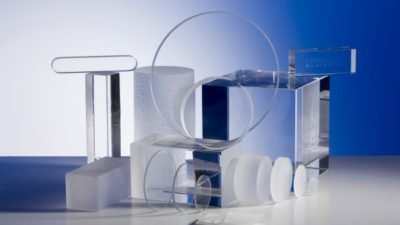
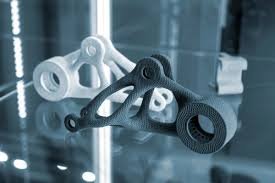
Miniaturization of Porous to Transparent Ceramics for Structural and optical uses explores how controlling ceramic microstructure unlocks very different properties. You learn how processing governs the journey from porous ceramics (light, insulating, filtering) to fully dense transparent ceramics (optical, armour, electronics), and how miniaturisation and microstructure engineering enable advanced components. The course connects materials science to real structural and optical applications. You finish able to reason about engineering ceramic microstructure for a target property. A verified e-Certificate of competency and e-Marksheet from the Deep Science & Technology Consortium.
🎯 Program Aim
This course covers miniaturisation of porous to transparent ceramics — the materials science of engineering ceramic microstructure from porous to transparent for advanced applications.
📋 Course Objectives
1. Explain how microstructure governs ceramic properties.
2. Process porous ceramics for light, insulating uses.
3. Engineer dense, transparent ceramics.
4. Apply miniaturisation and microstructure control.
5. Match ceramics to structural and optical uses.
👥 Who Should Enroll?
• Materials scientists and ceramic engineers
• Advanced-manufacturing professionals
• Optics and structural-materials researchers
• Students of materials science
🚀 Key Learning Outcomes
• An understanding of advanced ceramics.
• A microstructure-to-property perspective.
• A materials-engineering foundation.
• A verified e-Certificate of competency and e-Marksheet from the Deep Science & Technology Consortium.
💎 What You'll Gain
Live & Recorded Sessions
Lifetime access to class recordingse-Certificate on Completion
Cryptographically verified credentialPost-Programme Support
Direct access to mentors & councilHands-On Experience
Notebooks, real-world code & datasetsCurriculum Outline
Foundations of Miniaturization Of Porous To Transparent Ceramics For Structural And Functional Applications and Core Biological Principles
Analyze the fundamental principles of miniaturization of porous to transparent ceramics for structural and functional applications • Develop a comprehensive understanding of the core biological principles underlying the miniaturization process • Evaluate the current state of research in the field of miniaturization of porous to transparent ceramics for structural and functional applications
Laboratory Techniques, Protocols, and Data Collection
Configure laboratory equipment and protocols for the miniaturization of porous to transparent ceramics • Conduct experiments to collect data on the structural and functional properties of miniaturized ceramics • Optimize laboratory techniques to improve the efficiency and accuracy of data collection
Bioinformatics Tools and Computational Analysis
Apply bioinformatics tools to analyze data on the miniaturization of porous to transparent ceramics • Develop computational models to simulate the behavior of miniaturized ceramics in various applications • Integrate computational analysis with experimental data to gain insights into the miniaturization process
Research Methodology and Experimental Design
Design experiments to investigate the effects of miniaturization on the structural and functional properties of ceramics • Develop a research methodology to study the applications of miniaturized porous to transparent ceramics • Evaluate the validity and reliability of experimental designs in the context of miniaturization research
Advanced Miniaturization Of Porous To Transparent Ceramics For Structural And Functional Applications Applications and Translational Research
Investigate the applications of miniaturized porous to transparent ceramics in various fields, including biomedical and energy storage • Develop strategies for translating research findings into practical applications • Collaborate with industry partners to advance the development of miniaturized ceramics for commercial use
Regulatory Compliance, Bioethics, and Safety Standards
Analyze regulatory requirements for the development and use of miniaturized porous to transparent ceramics • Evaluate the bioethical implications of using miniaturized ceramics in various applications • Develop protocols to ensure compliance with safety standards in the handling and use of miniaturized ceramics
Industry Applications, Career Pathways, and Case Studies
Examine the current industry applications of miniaturized porous to transparent ceramics • Investigate career pathways for professionals in the field of miniaturization of ceramics • Analyze case studies of successful applications of miniaturized ceramics in various industries
Technical Specifications
| Parameter | Requirement |
|---|---|
| Covered Tool / Platform | Python |
| Covered Tool / Platform | MATLAB |
| Covered Tool / Platform | COMSOL |
Frequently Asked Questions
Scholar Feedback & Reviews
Based on 0 scholar submissions
Rating Breakdown
No verified reviews published yet. Be the first to share your academic experience.
Leave Scholar Feedback
Your rating will help prospective scholars. Ratings below 3 stars are routed privately to the faculty mentor for immediate response.