📚 Syllabus & Course Curriculum
Bioinformatics & Computational Biology
Module-by-module breakdown of Genome-Wide Association Studies (GWAS) and Multi-Omics Approaches, from foundations to a certified capstone project.
Outline
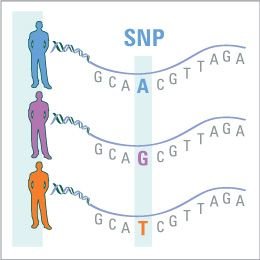
Overview of Genome-Wide Association Studies (GWAS) Introduction to GWAS: Definition, history, and importance • Basics of GWAS: Study design, population-based studies, and sample selection • Types of studies: Case-control studies vs. cohort studies • SNP Analysis and Genotype-Phenotype Associations Understanding SNPs (Single Nucleotide Polymorphisms) and their role in GWAS
Outline
Data Analysis in GWAS Overview of GWAS data sets: Genotyping arrays, sequencing data, and databases • Cleaning and pre-processing GWAS data: Quality control and normalization steps • Bioinformatics Tools for GWAS Analysis Introduction to bioinformatics tools: PLINK, R, GCTA, and others • Step-by-step GWAS analysis pipeline: From data preprocessing to association testing
Outline
Introduction to Multi-Omics Overview of multi-omics: Genomics, transcriptomics, proteomics, and metabolomics • The concept of "Omics Integration": Combining data from multiple layers of biological information • Integrating Multi-Omics Data Techniques for integrating genomics, transcriptomics, proteomics, and metabolomics data • How multi-omics enhances the understanding of complex biological systems
Outline
Practical Applications in Precision Medicine and Agriculture GWAS and multi-omics in precision medicine: Personalized drug development, disease risk prediction • Agricultural biotechnology applications: Crop improvement and disease resistance • Case studies: Use of GWAS and multi-omics in healthcare and crop improvement • Ethical Considerations in Genomic Data Usage Ethical challenges in genomic data collection, sharing, and privacy
Earn government-registered certification in Genome-Wide Association Studies (GWAS) and Multi-Omics Approaches
e-Certificate and e-Marksheet issued on successful completion.