Programme Parameters
Graduate / Intermediate
4 Weeks (40 Hrs)
Online (e-LMS)
• A basic understanding of the subject area and fundamental programming or scientific concepts.
• A laptop or desktop with a stable internet connection.
• Willingness to complete assignments and the capstone project.
About This Course
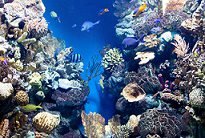
From the Sea to the Lab: Understanding the Potential of Marine Bioresources opens up the ocean as a source of scientific and biotechnological value. You learn the diversity of marine life and the bioactive compounds and materials it offers, how they are collected, screened and studied in the lab, and their applications in medicine, food, cosmetics and industry. The course pairs the promise with the sustainability and access considerations of using marine resources. You finish able to reason about the potential and study of marine bioresources. A verified e-Certificate of competency and e-Marksheet from the Deep Science & Technology Consortium.
🎯 Program Aim
This course covers marine bioresources — the diversity, discovery and biotechnological potential of organisms and compounds from the sea, from collection to the lab.
📋 Course Objectives
1. Survey marine biodiversity and bioresources.
2. Understand collection and sampling.
3. Screen and study marine compounds in the lab.
4. Explore biomedical and industrial uses.
5. Weigh sustainability and access.
👥 Who Should Enroll?
• Marine biologists and biotechnologists
• Natural-product and bioprospecting researchers
• Food, pharma and cosmetics R&D
• Students of marine science
🚀 Key Learning Outcomes
• An understanding of marine bioresources.
• A sea-to-lab discovery perspective.
• A blue-biotechnology foundation.
• A verified e-Certificate of competency and e-Marksheet from the Deep Science & Technology Consortium.
💎 What You'll Gain
Live & Recorded Sessions
Lifetime access to class recordingse-Certificate on Completion
Cryptographically verified credentialPost-Programme Support
Direct access to mentors & councilHands-On Experience
Notebooks, real-world code & datasetsCurriculum Outline
Foundations of Marine Biomaterials
Analyze the structural and functional properties of marine-derived biomaterials, including polysaccharides, proteins, and lipids • Develop a comprehensive understanding of the core biological principles underlying marine biomaterials, including cell biology, biochemistry, and molecular biology • Evaluate the potential applications of marine biomaterials in various fields, including medicine, cosmetics, and food industry
Laboratory Techniques and Data Collection
Configure and operate various laboratory equipment, including microscopes, spectrophotometers, and chromatography systems, for the analysis of marine biomaterials • Design and implement effective experimental protocols for the extraction, purification, and characterization of marine biomaterials • Collect and analyze data on the physical, chemical, and biological properties of marine biomaterials using statistical software and data visualization tools
Bioinformatics Tools and Computational Analysis
Apply bioinformatics tools and databases, including BLAST, GenBank, and UniProt, to analyze and interpret genomic and proteomic data from marine organisms • Develop and implement computational models and algorithms to predict the structure, function, and interactions of marine biomaterials • Evaluate the potential of machine learning and artificial intelligence approaches for the discovery and optimization of marine biomaterials
Research Methodology and Experimental Design
Design and develop research proposals and experimental plans for the investigation of marine biomaterials, including hypothesis testing and sampling strategies • Conduct and analyze experiments using various research methodologies, including in vitro, in vivo, and in silico approaches • Develop and implement effective data management and quality control protocols to ensure the integrity and reproducibility of research findings
Advanced Marine Biomaterials Applications
Develop and evaluate novel applications of marine biomaterials, including wound healing, tissue engineering, and drug delivery • Design and optimize marine biomaterials-based products, including cosmetics, food additives, and pharmaceuticals • Analyze and mitigate the potential environmental and social impacts of marine biomaterials production and application
Regulatory Compliance and Safety Standards
Evaluate and comply with regulatory requirements and safety standards for the production, handling, and application of marine biomaterials • Develop and implement effective risk management and quality control protocols to ensure the safe handling and use of marine biomaterials • Analyze and address potential ethical and social concerns related to the use of marine biomaterials, including animal welfare and biodiversity conservation
Industry Applications and Career Pathways
Analyze and evaluate the current market trends and industry applications of marine biomaterials, including cosmetics, pharmaceuticals, and food industry • Develop and implement effective career development strategies, including networking, resume building, and interview preparation • Design and propose innovative business models and entrepreneurial ventures for the production and application of marine biomaterials
Technical Specifications
| Parameter | Requirement |
|---|---|
| Covered Tool / Platform | Python |
| Covered Tool / Platform | BLAST |
| Covered Tool / Platform | GenBank |
| Covered Tool / Platform | UniProt |
Frequently Asked Questions
Scholar Feedback & Reviews
Based on 0 scholar submissions
Rating Breakdown
No verified reviews published yet. Be the first to share your academic experience.
Leave Scholar Feedback
Your rating will help prospective scholars. Ratings below 3 stars are routed privately to the faculty mentor for immediate response.