1. Foundational Dynamics
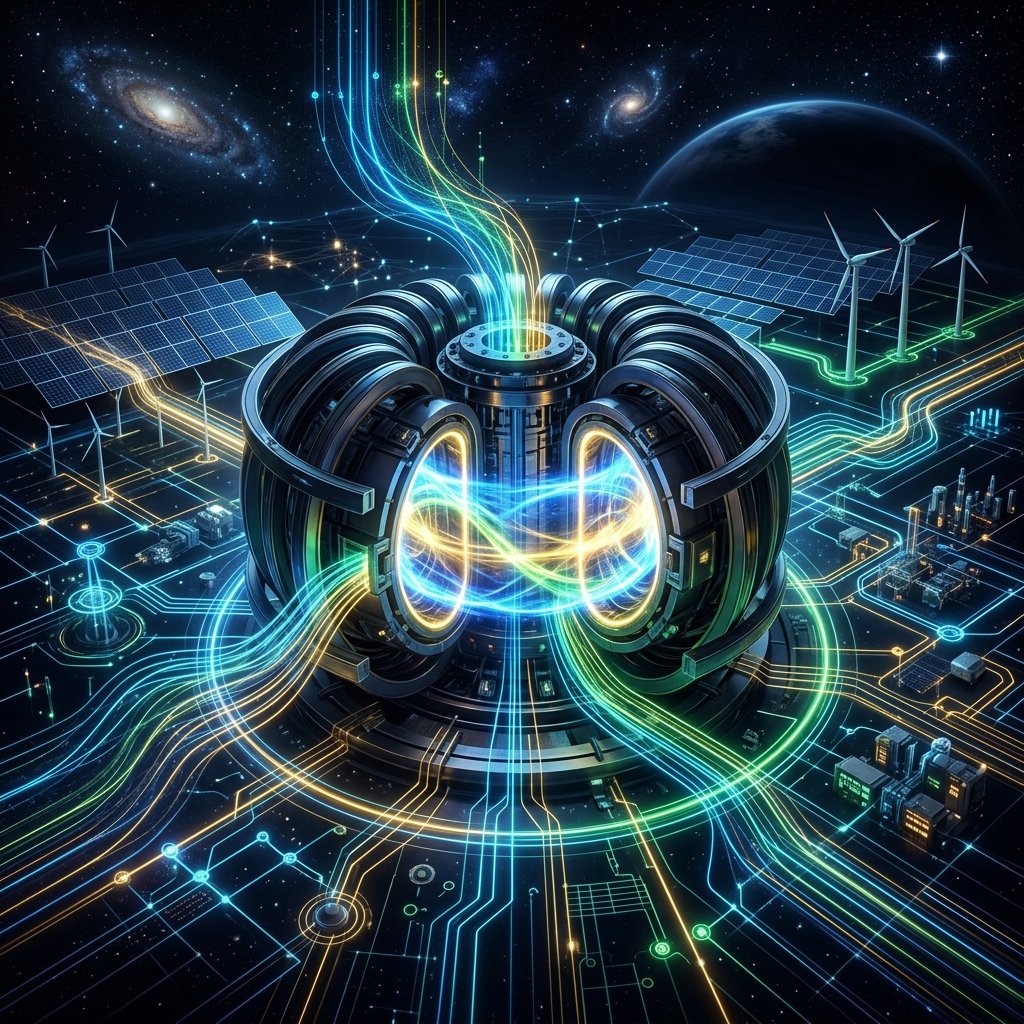
Modern electrical grids operate on high-frequency temporal variations. Dynamic load balancing requires sub-second predictive accuracy to mitigate systemic grid degradation and prevent cascading transformer failures. Standard statistical regression tools like ARIMA are inadequate when dealing with non-linear distribution spikes caused by volatile clean energy sources (wind and solar solar arrays).
2. Neural Network Implementations
By implementing Long Short-Term Memory (LSTM) recurrent networks coupled with specialized multi-agent deep reinforcement learning (MADRL) models, grid operators can dynamically dispatch reserve assets. The neural lattice acts as an autonomous governor, adjusting voltage levels and routing paths dynamically based on predicted demand curves.
Our initial tests indicate a 14% reduction in peak-hour transmission congestion and a significant decrease in grid stabilization latency compared to standard heuristically guided dispatch protocols.