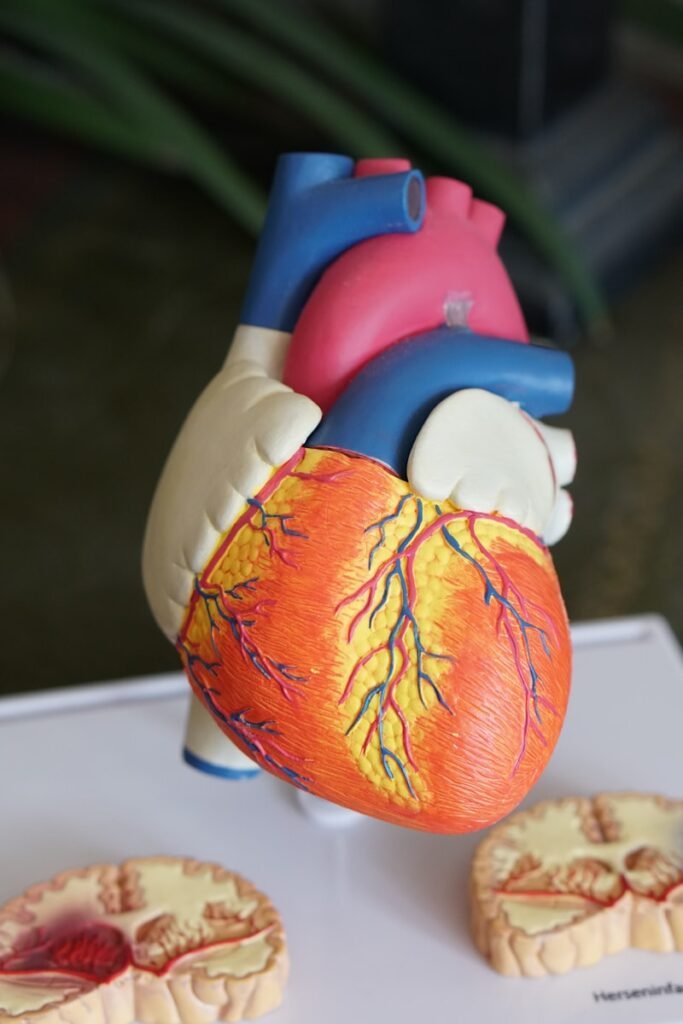
If you are a wet-lab biologist right now, reading the news can induce panic. “AlphaFold solves protein folding,” “AI discovers new antibiotic.” It feels like if you don’t know how to code a neural network from scratch in C++, you are going to be unemployed in five years.
Take a deep breath. You don’t need to be a software engineer to use AI in biology.
The Analogy
You don’t need to know how to build a mass spectrometer to use one effectively. AI models are the exact same thing: they are just new, highly advanced instruments for your lab.
Understanding the Tools, Not the Math
What you *do* need is a conceptual understanding of what these tools do. For instance, knowing that AlphaFold 3 predicts protein structures is great, but knowing *when* its predictions are likely to be inaccurate (like with unstructured regions or novel ligands) is where your domain expertise shines.
We built the AI in Science Landscape Map specifically to help you navigate this. It categorizes the top open-source AI tools by domain. Start by exploring the tools in your field. If you want a structured pathway, consider looking at our Advanced Bio-Computing courses.
Your biological intuition is irreplaceable. Let the AI do the math; you ask the right questions.